
Speech Therapy that Sparks Growth
Our Services
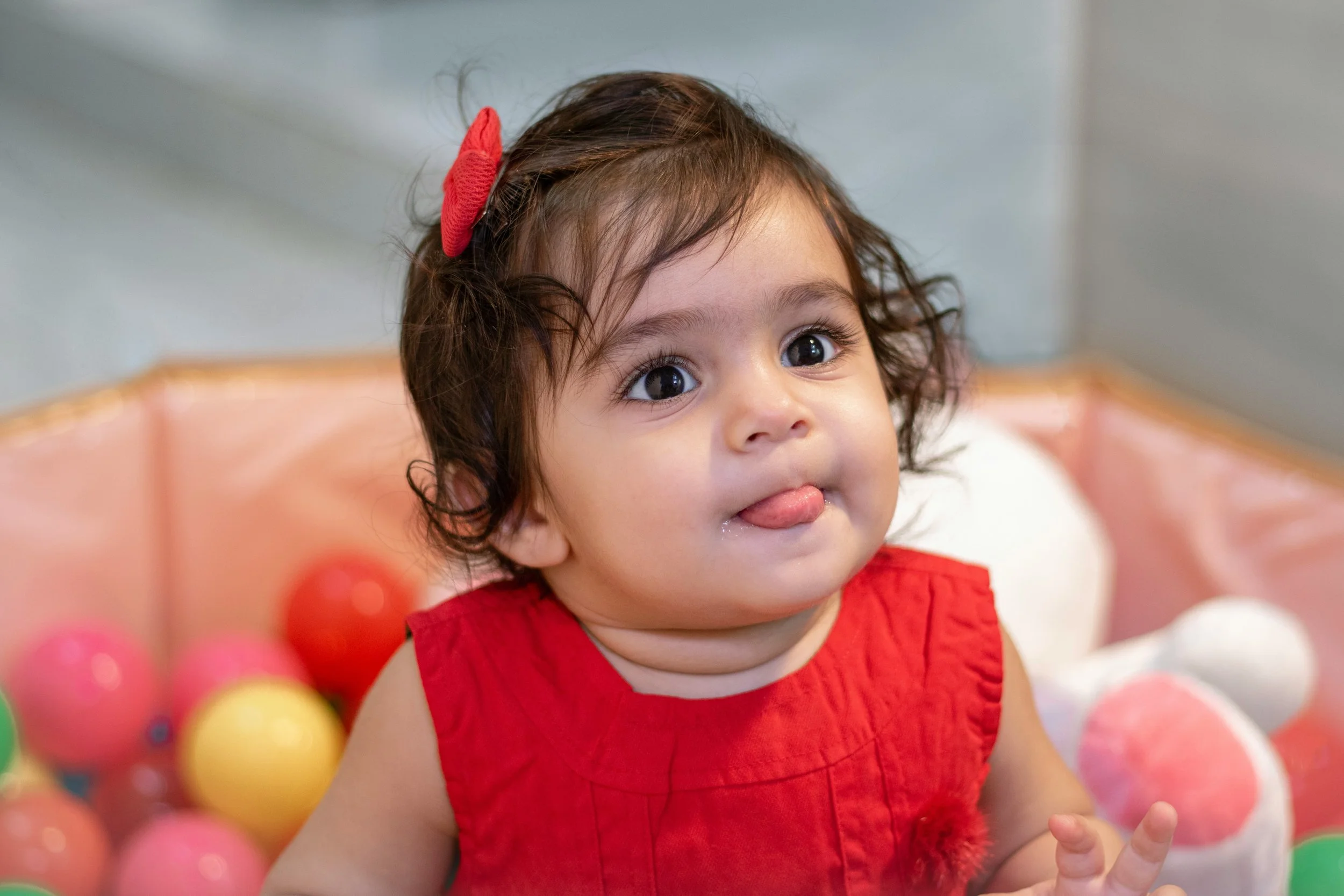
We start with a thorough evaluation to understand your child’s current speech and language skills and decide whether therapy is the right next step. If you move forward with a personalized therapy plan, the cost of this initial evaluation is applied to your overall program—so it’s included in your total investment.
No matter the outcome, you'll leave with a better understanding of your child's current speech and language abilities, as well as actionable next steps to further support their growth.
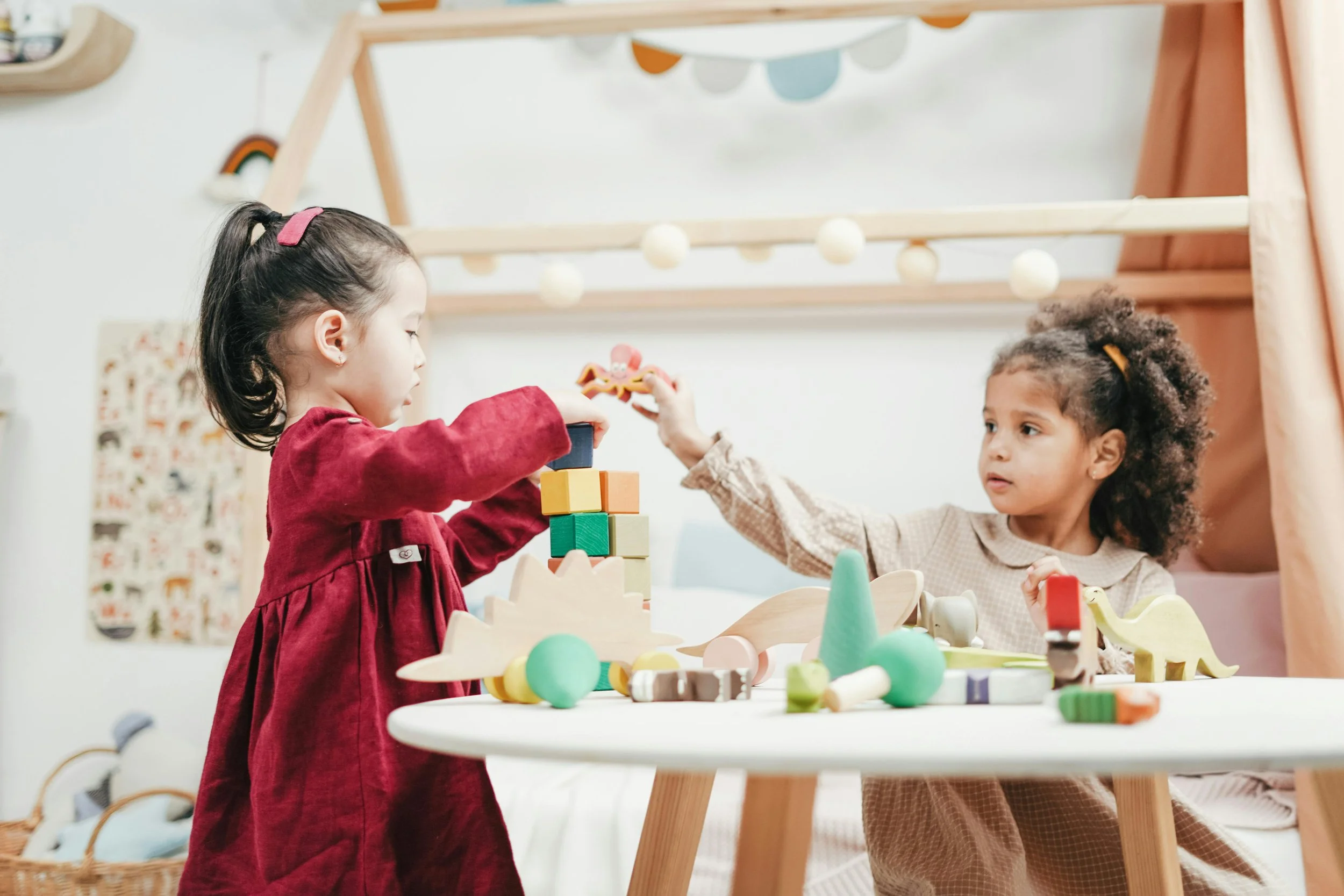
We create individualized programs tailored to each child’s specific needs, addressing:
Expressive language – building vocabulary and improving sentence structure
Receptive language – understanding and processing spoken language
Social communication skills – conversation, turn-taking, and pragmatic language
Articulation – clear pronunciation of sounds and words
Childhood apraxia of speech – motor planning for accurate speech movements
... and additional speech language support as needed

Individual consultations to review your child’s speech and language milestones and learn effective ways to support their growth, including:
- articulation/speech sound development
- comprehension skills
- social language skills, e.g. turn-taking, greetings, engaging with peers
- expressive language, e.g. using more words, phrases, and sentences to communicate wants, needs, and ideas

We consult with school-based staff and attend IEP meetings on behalf of families to advocate for your child.
We ensure your child's needs are properly represented when you may not have the language to do so.

Many parents wonder if their child’s speech and language skills are developing as they should, but it can be hard to know what to ask—or where to find clear answers.
No question is too big or too small for the SpeakBright team. Here are some of the questions we hear most often.
Have questions or ready to get started?
Fill out our quick contact form and we’ll be in touch soon to chat about your child’s speech and language needs—no pressure, just a friendly first step.